

The Hive is live
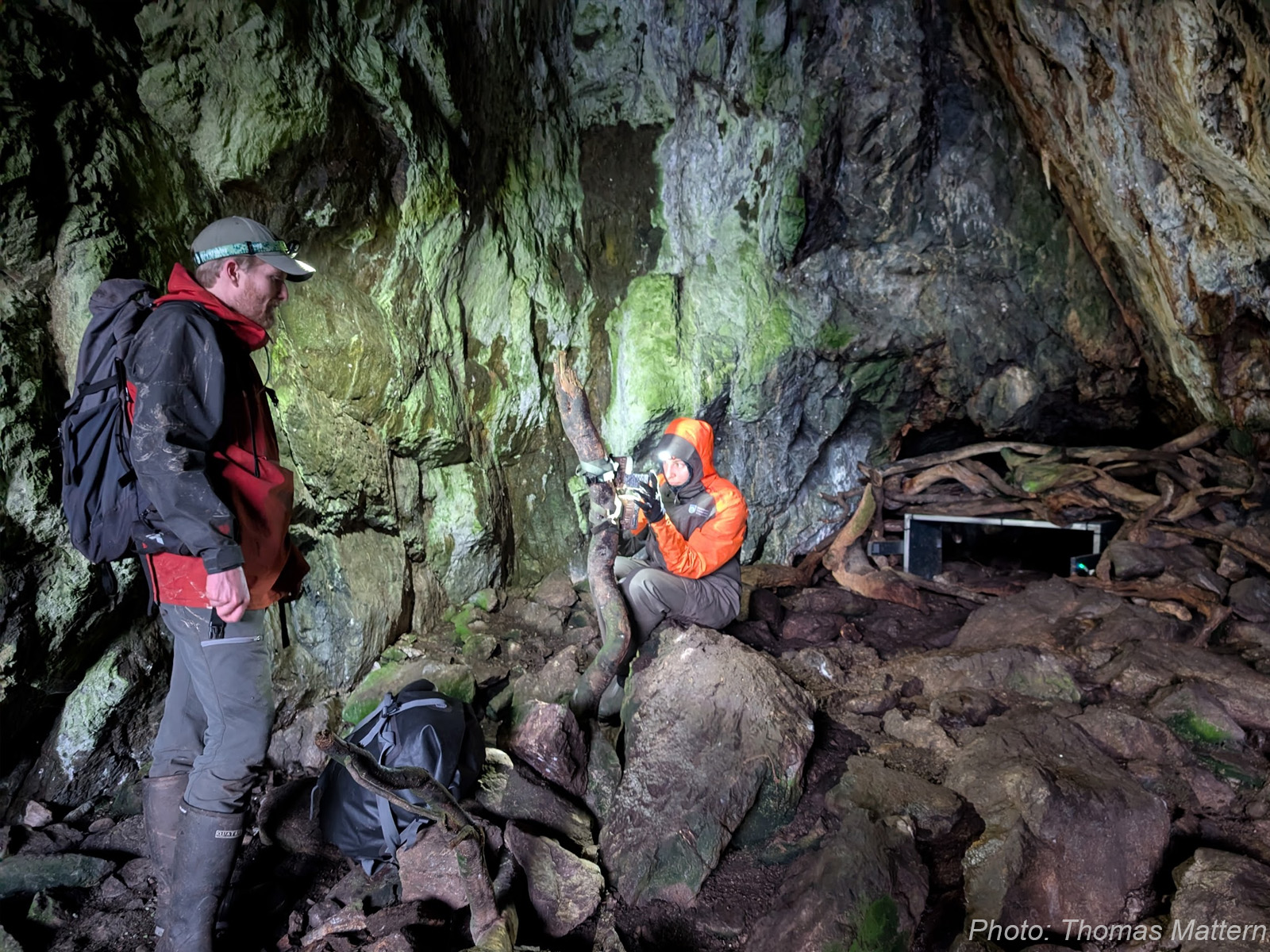
Last September, we installed the second transponder gate (AWMS, or “Automated Wildlife Monitoring System”) at a tawaki cave breeding colony we call “The Hive.” Located in central Fiordland, this colony is ideal for automated monitoring like the system we’ve been running in Milford Sound since 2019: 25+ pairs breed together in a sea cave with only one narrow entrance, which at the height of the breeding season is buzzing with penguins coming and going.

We marked many of these birds with PIT tags in November. The transponder gate registers when a bird passes through and identifies it via an automatic tag reader – one of the lowest-impact methods available for monitoring a cryptic species like tawaki. Over time, this will give us an invaluable data set on key dates in the breeding cycle, as well as survival and recruitment rates – essential parameters for determining population trends.

For the first few months, the system had some teething problems – quite literally, in one case, as possums had been chewing on the cables. We got our first batch of data, but the system also went dark for weeks at a stretch, losing power when cables came loose or light sensors were knocked out of alignment (we suspect more possum interference). As the days grew shorter, the battery began draining faster than it could recharge, so we decided it was time to go in and reposition the solar panel.

With the help of Fiordland Expeditions, our team reached the cave earlier this week and overhauled the system with a bigger battery and a better-placed solar panel. Not a moment too soon, it turned out – we found the first five penguins already back inside the cave. The males are returning first to secure their nest sites, which means one thing: the 2026 season is almost here.
